Exploring the Cost Differences Between Flat and Pitched Roofs in the UK
When it comes to roofing, one of the fundamental decisions homeowners face is choosing between a flat roof and a pitched roof. Each option comes with its own set of advantages and disadvantages, and one crucial factor that plays a significant role in decision-making is the cost. In the United Kingdom, where weather conditions vary, understanding the cost differences between flat and pitched roofs is essential for making an informed choice that aligns with both budget and practicality.
.
Flat Roofs: The Pros and Cons
Flat roofs have gained popularity in modern architecture for their sleek and contemporary appearance. However, they also come with specific advantages and drawbacks that directly impact the cost.
Advantages of Flat Roofs:
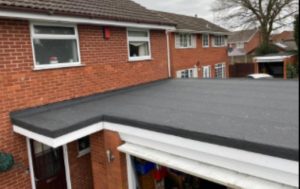 Installation Cost: Generally, the initial cost of installing a flat roof is lower compared to a pitched roof. The simplicity of the design and the ease of installation contribute to this cost advantage.
- Space Utilisation: Flat roofs provide additional usable space, making them ideal for rooftop gardens, solar panels, or even an outdoor living area. This added functionality can be considered as an investment in the long term.
Disadvantages of Flat Roofs:
- Maintenance and Repairs: Flat roofs are more prone to water pooling, which can lead to leaks and other water-related issues. Regular maintenance is crucial, and any repairs can add to the overall cost over time.
- Lifespan: While flat roofs can be cost-effective initially, they may have a shorter lifespan compared to pitched roofs. This is influenced by factors such as weather conditions, materials used, and maintenance practices.
Pitched Roofs: The Pros and Cons:
Pitched roofs, with their classic triangular design, are a traditional choice with their own set of advantages and disadvantages.
Advantages of Pitched Roofs:
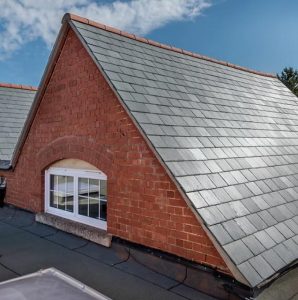 Durability: Pitched roofs are known for their durability and longevity. With proper maintenance, a pitched roof can withstand harsh weather conditions, including heavy rain and snow.
- Aesthetic Appeal: Many homeowners appreciate the timeless and classic appearance of pitched roofs. This can add to the overall value of the property and enhance its curb appeal.
Disadvantages of Pitched Roofs:
- Initial Cost: The primary drawback of pitched roofs is their higher initial cost. The complexity of the design and the additional materials required contribute to a more expensive installation process.
- Limited Usable Space: Unlike flat roofs, pitched roofs do not offer additional usable space. If maximizing rooftop space is a priority, this can be a significant drawback.
Conclusion:
In the UK, the cost difference between flat and pitched roofs is influenced by various factors, including installation, maintenance, and lifespan. While flat roofs may have a lower initial cost and offer additional usable space, pitched roofs boast durability and a timeless aesthetic. Ultimately, the decision should align with the homeowner’s preferences, budget, and long-term goals. Consulting with roofing professionals and considering the specific requirements of the property will help make an informed decision that balances cost and functionality.
.
If you’re thinking of an extension and are not sure of the roof options for your specific build then get in touch to arrange a free initial consultation at the property. Use the contact form today.