
Why Architects Lose Work to Builders

Why architects lose work to builders is a question many homeowners never think about when planning an extension, loft conversion, or home improvement project. Yet it happens frequently across the UK construction industry.
Many homeowners approach a builder first when considering a project. At first glance this seems logical. Builders construct the work, so they must know what is required.
However, the reality is more complicated. While many builders are highly skilled tradespeople, architectural design, planning strategy, and project feasibility are specialised professional services. Skipping this stage can lead to planning refusals, inefficient layouts, unexpected costs, and construction problems later.
Understanding why architects lose work to builders can help homeowners make better decisions before starting a project.
Homeowners Often Contact Builders First
One of the main reasons why architects lose work to builders is simply habit.
When people think about construction, they naturally think about builders. After all, builders physically create the extension, conversion, or renovation.
However, the design stage actually comes first.
Architects typically provide:
-
Design layouts
-
Planning application drawings
-
Building regulation drawings
-
Construction detailing
-
Spatial optimisation
-
Feasibility advice
Despite this, homeowners often skip directly to a builder and ask:
“Can you build this extension?”
In many cases, the builder then offers to organise drawings or planning submissions themselves.
Sometimes this works. But often the design stage becomes rushed or limited.
Builders May Offer “Free” Design Services
Another major reason why architects lose work to builders is the perception of cost.
Architectural services involve professional fees. Builders sometimes offer a basic design service included within the construction quote.
To a homeowner comparing options, this can seem attractive.
For example:
Builder Option:
-
“Free drawings”
-
Planning submission included
-
Single quote for entire project
Architect + Builder Option:
-
Architectural design fee
-
Separate builder quotation later
Naturally, some homeowners choose the cheaper-looking option.
However, the difference often becomes clear later in the project when:
-
Designs lack detail
-
Layouts are inefficient
-
Planning issues arise
-
Construction costs increase
In many cases, professional design actually saves money overall.
Design Is Not Always Seen as a Separate Professional Skill
Another overlooked reason why architects lose work to builders is misunderstanding of roles within the construction industry.
Many homeowners assume:
-
Anyone who builds houses can design them
-
Planning drawings are simple
-
Building regulations drawings are just technical paperwork
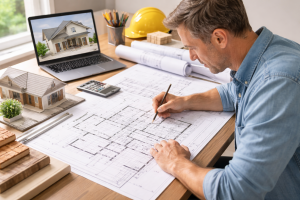
In reality, good architectural design requires experience in several areas:
-
Planning policy interpretation
-
Space planning
-
Natural light optimisation
-
Structural coordination
-
Construction detailing
-
cost-efficient design
Without these considerations, projects can quickly become inefficient or expensive.
Builders Often Win Work Through Personal Recommendation
Word-of-mouth recommendations strongly influence home improvement projects.
A neighbour might say:
“Our builder did a great job on our extension.”
As a result, homeowners contact the builder first.
The builder may then offer:
-
Basic drawings
-
Planning submission
-
Construction
This single-point service feels convenient.
However, convenience does not always produce the best design or planning outcome.
An architect’s role is to challenge ideas, explore options, and optimise the space before construction begins.
Some Homeowners Only Want the Minimum Drawings
Another factor explaining why architects lose work to builders is the desire to keep things simple.
Some homeowners only want:
-
Planning approval
-
Basic drawings
-
A builder ready to start
They may not want:
-
Multiple design options
-
Detailed design development
-
Planning strategy advice
-
Cost planning
Builders sometimes provide simple drawings sufficient for planning approval.
However, these drawings may not fully consider:
-
Structural coordination
-
Buildability
-
Internal layout efficiency
-
Future alterations
This can lead to compromises once construction begins.
Builders Control the Project Pipeline
Builders often speak to potential clients before architects do.
This gives them influence over early project decisions.
When homeowners ask builders questions like:
-
“Do I need an architect?”
-
“Can you organise drawings?”
-
“How much will it cost?”
The builder becomes the first point of advice.
If the builder recommends using their own drawing service, the architect may never become involved.
Therefore, why architects lose work to builders is often simply about who the homeowner speaks to first.
Poor Past Experiences With Designers
Unfortunately, some homeowners have previously had negative experiences with designers.
These might include:
-
Slow planning applications
-
Expensive design changes
-
Lack of communication
-
Drawings that exceed budget
As a result, homeowners may believe that architects complicate projects.
In reality, a good architect focuses on:
-
Practical solutions
-
realistic budgets
-
planning success
-
buildable designs
Professional collaboration between architect and builder normally produces the best results.
Builders Sometimes Underestimate the Design Process
Some builders genuinely believe architectural services are unnecessary for smaller projects.
For example:
-
rear extensions
-
garage conversions
-
loft conversions
Because they have built similar projects many times before, they feel confident designing them.
However, every property is different.
Factors that can change a design include:
-
planning restrictions
-
neighbouring properties
-
structural layout
-
drainage
-
access
-
sunlight orientation
Architects analyse these constraints before construction begins.
The Risk of Skipping the Architectural Stage
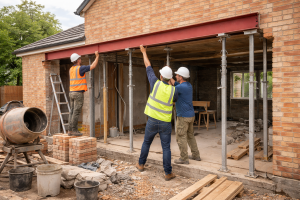
Understanding why architects lose work to builders is important because skipping professional design can create problems later.
Common issues include:
Planning Refusals
Without proper planning strategy, applications may fail.
Poor Layouts
Rooms may feel cramped or poorly connected.
Unexpected Structural Work
Builders may discover structural challenges after construction begins.
Budget Overruns
Design decisions made during construction can increase costs.
Investing in proper design at the start often prevents these issues.
Architects and Builders Should Work Together
The best projects usually involve collaboration.
A strong team includes:
-
Architect
-
Builder
-
Structural engineer
-
Building control
Each professional contributes specialist knowledge.
For example:
Architect responsibilities include:
-
design development
-
planning applications
-
layout optimisation
-
construction drawings
Builder responsibilities include:
-
construction methods
-
material selection
-
build sequencing
-
practical site management
When both roles work together early, the project runs more smoothly.
Why Professional Design Can Save Money
Although architectural services involve fees, they often reduce total construction costs.
Architects help homeowners:
-
optimise layouts
-
reduce unnecessary floor area
-
simplify structure
-
avoid planning delays
-
prevent costly on-site changes
Good design ensures the builder can price accurately and construct efficiently.
This is why understanding why architects lose work to builders is important before starting a project.
Conclusion
The reality behind why architects lose work to builders usually comes down to timing, perception, and convenience.
Homeowners often contact builders first. Builders sometimes offer design services. And architectural design is frequently misunderstood.
However, professional design remains one of the most important stages of any home improvement project.
A well-designed extension, loft conversion, or renovation will:
-
maximise space
-
improve natural light
-
gain planning approval more easily
-
reduce unexpected construction costs
For homeowners planning significant work, involving an architect early can make a substantial difference to the final result.
FAQs
Q1: Why do architects lose work to builders?
A1: Architects lose work to builders mainly because homeowners contact builders first and builders sometimes offer basic design services alongside construction.
Q2: Is it cheaper to use a builder instead of an architect/architectural technician?
A2: It may appear cheaper initially, but skipping professional design can lead to planning issues, inefficient layouts, and higher construction costs later.
Q3: Do I always need an architect or an architectural technician for an extension?
A3: Not always, but an architect or an architectural technician can improve layout design, planning success, and construction efficiency, particularly for complex extensions.
Q4: Can builders submit planning applications?
A4: Yes, builders can submit planning drawings, but architects/architectural technicians typically provide more detailed design, planning strategy, and technical coordination.
Q5: How can homeowners avoid the issues behind why architects/architectural technicians lose work to builders?
A5: Speak with both an architect/architectural technician and a builder early in the project to understand design options, planning constraints, and realistic construction costs.
Suggested related blog articles:
-
Do You Need an Architect/Architectural Technician for a House Extension?
You can find more information about the planning system from the UK Government planning guidance here: https://www.gov.uk/planning-permission-england-wales
If you are planning an extension, garage/attic conversion and want practical advice on layout, buildability, and cost control, professional guidance can make the process far easier.
Book your initial consultation with Alan now – just call 07590 563823 during office hours or email us today! or you can complete this form – we will be in touch very shortly.